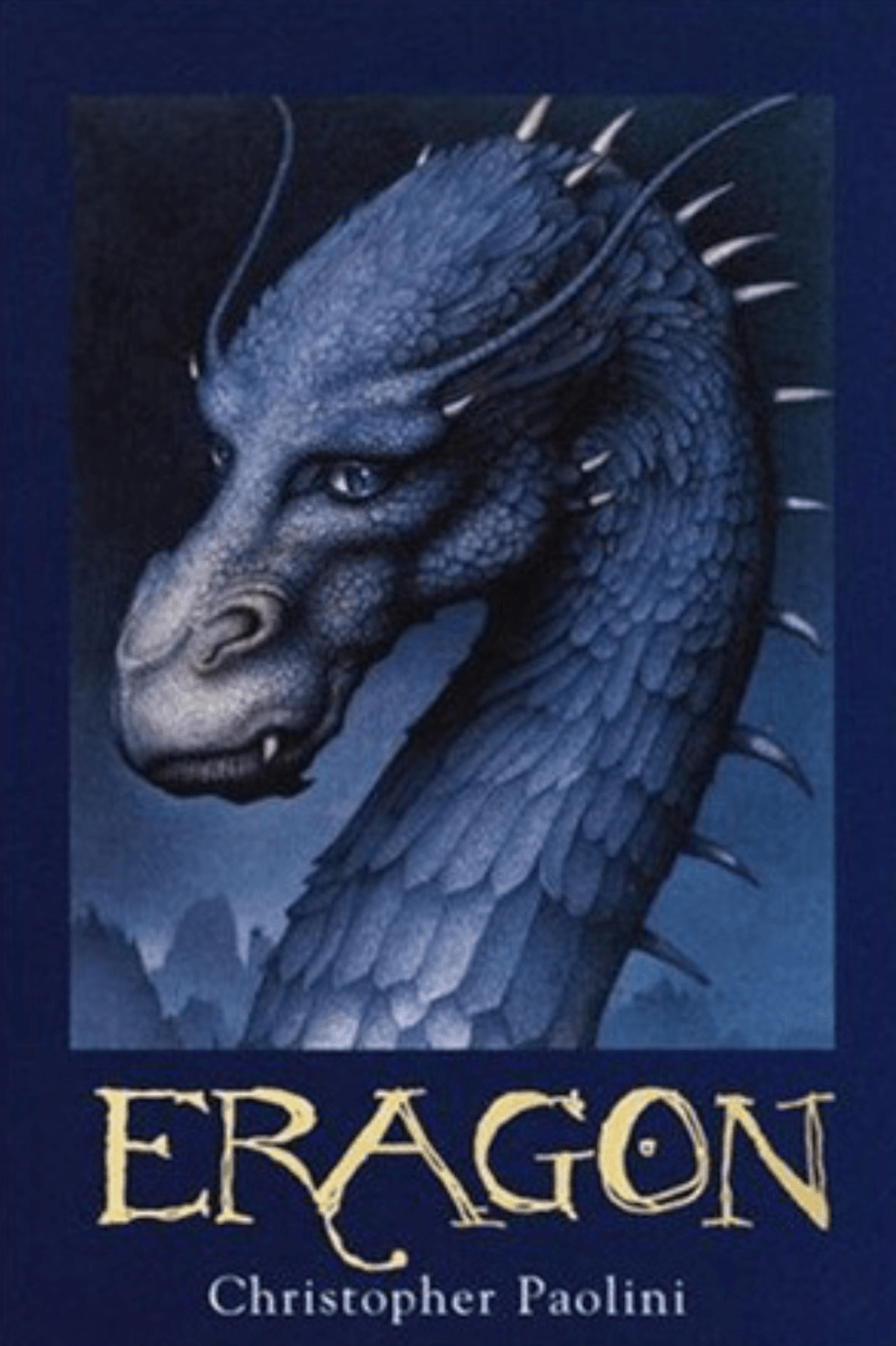
Christopher Paolini’s Eragon feels, at first, like a familiar fantasy story: a poor farm boy, mysterious blue stone, evil king, dragons. But what makes the book memorable is not the plot skeleton; it is the strange amount of detail packed into Alagaësia that slowly makes the world feel lived in rather than invented overnight.
One thing only readers who paid close attention will remember is how small Carvahall feels in the beginning. Paolini spends time describing ordinary things, Garrow’s careful habits, Roran chopping meat at Sloan’s butcher shop, Horst’s forge, even the muddy roads after traders pass through. Those details matter later because when the Ra’zac burn the farm, it does not feel like “the hero loses his home.” It feels like the destruction of a real place the reader has quietly settled into. Garrow’s death is especially effective because it is not dramatic or heroic. He dies slowly, weak and feverish, while Eragon can do nothing except watch. That helplessness changes Eragon more than the sword training ever does.
Saphira is also written differently from most fantasy dragons. She is not just a mount or magical pet. Her personality develops in subtle ways, her dry humour, her impatience with human customs, the way she becomes fiercely possessive of Eragon after their blood oath connection deepens. Small moments, like her crushing entire bushes when trying to hide or her annoyance at fitting into cramped spaces, remind the reader that she is still an enormous creature despite her intelligence. The scene where Brom explains why dragons stopped speaking openly to humans after the Fall adds sadness to Saphira’s existence; she represents an almost extinct civilization, not just a species.
The magic system is another reason the book stands out. The Ancient Language is not simply “say words and cast spells.” The idea that magic drains physical energy makes even simple actions tense. Brom killing Urgals by pinching blood vessels in their brains rather than throwing flashy fireballs shows how dangerous and practical magic can be. Later, Eragon accidentally blessing Elva with the phrase “may you be shielded from misfortune” becomes one of the series’ most unsettling moments because the wording twists into a curse. Paolini constantly reminds the reader that language itself has weight in Alagaësia.
What makes Eragon impressive is that you can feel a young writer pouring everything he loves about fantasy into it, dragons, old languages, elves, dwarves, sword fights, prophecies, yet the emotional details stop it from becoming hollow imitation. The book’s flaws are visible: some dialogue is stiff, Arya remains distant for much of the novel, and certain plot turns echo older fantasy classics very clearly. But its sincerity carries it forward. By the end, the image that stays with the reader is not the final victory over Durza, but Eragon sailing away from Carvahall forever, realizing he can never truly return to the life he began with.


Leave a comment